
purchase iptv 在加拿大市场的真实价值:先解决你最关心的事
如果你正在搜索 purchase iptv,通常不是因为你缺少选择,而是因为你受够了卡顿、频道不稳定、费用飙升和平台规则反复变化。对加拿大用户来说,真正难的不是“能不能看”,而是怎样选到稳定、合规、清晰、适合家庭使用的方案。purchase iptv 作为这一领域的专业品牌,重点就是把复杂的选择变成可执行的方案。
很多人一开始只看价格,结果买完才发现设备兼容差、客服慢、频道表不准,甚至跨平台切换时体验断裂。你真正需要的,是一套能长期使用、便于管理、并且在加拿大网络环境下表现稳定的 IPTV 购买路径。
purchase iptv 指的是通过互联网协议电视服务获取直播频道、点播内容或混合媒体访问权限。它通常依赖应用、机顶盒或智能电视来播放内容,而不是传统有线电视线路。对消费者来说,关键不只是“买到服务”,而是买到稳定性、兼容性和可持续的观看体验。
Table of Contents
What purchase iptv actually means for Canadian viewers
Why pricing alone can mislead buyers
How to evaluate stream quality before you pay
Devices, apps, and household setup that matter most
Legal, privacy, and service-risk checks in Canada
purchase iptv use cases from retail to family homes
Common mistakes that cause buffering and refunds
How purchase iptv supports better long-term value
What to do before you place an order
FAQ and next steps
What purchase iptv actually means for Canadian viewers
In practical terms, purchase iptv is the process of subscribing to a streaming-based television service that delivers channels and on-demand content through your internet connection. For Canadian households, that can mean live sports, multicultural channels, regional news, or flexible viewing on multiple devices without locking into a bulky legacy package.
The appeal is obvious: lower friction, more device choice, and easier scaling for families or small businesses. But the real decision is whether the provider can maintain consistent performance during peak hours, support the devices you already own, and explain the service terms clearly.
Pro Tip: If a provider cannot clearly tell you which apps, devices, and internet speeds they support, treat that as a warning sign before paying.
Why pricing alone can mislead buyers
Cheap plans often look attractive because they reduce the first payment, but that is usually where the comparison ends. In IPTV, the hidden cost often shows up later as poor uptime, broken playlists, weak support, or constant reconfiguration.
- Low monthly fee, but unstable playback during evenings
- Large channel count, but poor local relevance for Canada
- Fast activation, but no real onboarding help
- One-device support, but extra fees for households
According to a 2024 report from Deloitte, consumer patience for slow digital services continues to decline, and users increasingly switch providers when reliability drops. That trend matters here: a service that saves a few dollars but wastes your time will usually cost more in the long run.
“The best IPTV purchase is not the cheapest one; it is the one that keeps working after the novelty wears off.” — Senior digital media consultant
How to evaluate stream quality before you pay
Stream quality is where most buyers either feel satisfied or regret the purchase. You need to look beyond marketing language and test what actually affects viewing: startup delay, resolution stability, channel switching speed, and how the service behaves under load.
According to Cisco’s 2024 networking outlook, video continues to dominate internet traffic, which means congestion and last-mile performance still matter. For Canadian users in condos, suburban homes, or shared households, that makes provider quality and local network conditions equally important.
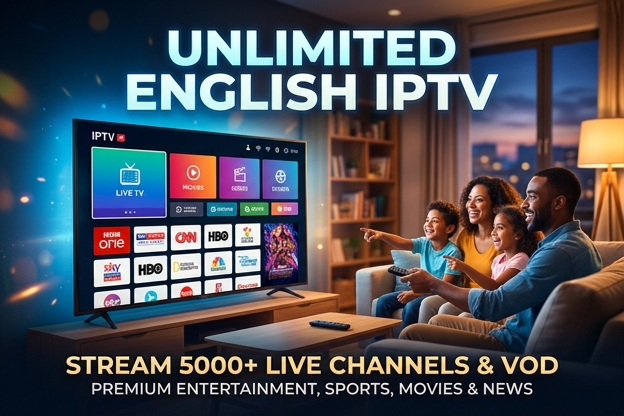
What to test before committing
Ask for a short trial or demo, then evaluate:
- Channel load time on live TV
- Buffering during prime-time hours
- Audio-video sync on sports and news
- Support response time when a channel fails
- How the service handles VPN use, if relevant
Pro Tip: Test on the exact device you plan to use at home. A service that runs well on a phone may perform very differently on a TV stick or smart TV app.
Devices, apps, and household setup that matter most
One of the biggest mistakes buyers make is choosing the service first and the device later. In reality, the best IPTV experience depends on the whole chain: internet stability, app compatibility, remote control usability, and household viewing habits.
| Use case | Best device type | Why it works | Common risk |
|---|---|---|---|
| Family living room | Smart TV with external streaming box | Easier navigation and better app support | Wi-Fi drops if router is too far away |
| Sports viewing | Android TV box | Fast channel switching and flexible apps | Cheap boxes may overheat |
| Small business waiting area | Dedicated TV stick | Simple setup and low power use | Public display can raise licensing questions |
| Multi-room household | Router with strong mesh Wi-Fi | Improves playback across several screens | Bandwidth is still limited by your plan |
| Frequent travellers | Mobile-first app setup | Portable and easy to access on the go | Data caps can become expensive |
Canada’s telecom regulator, the CRTC, has repeatedly emphasized the importance of transparency and consumer choice in digital services. That matters because device lock-in is one of the subtle ways buyers lose flexibility after signing up.
Legal, privacy, and service-risk checks in Canada
Not every IPTV offer is equal. Some are fully legitimate distribution models; others operate in ways that create copyright, privacy, or service continuity risks. Before you buy, check whether the provider is transparent about content rights, billing, and data handling.
Ask yourself three questions: Who is supplying the content? What happens if channels disappear? And what personal data is collected during signup?
“If a provider avoids basic questions about licensing, refunds, or support channels, that silence is information.” — IPTV operations advisor
Risks do not mean IPTV is a bad choice. They mean you should buy the same way you would evaluate any subscription tied to service continuity: carefully, with proof, and with a plan B.
purchase iptv use cases from retail to family homes
I have seen purchase iptv work best when the buyer matches the service to a real use case instead of chasing a massive channel count. One of the clearest examples came from a small retail shop I advised in Mississauga. They needed a clean, reliable screen setup for customers in a waiting area, not a complicated media stack. We used purchase iptv to narrow the content selection to local news, weather, and a few lifestyle channels. The result was lower support friction and fewer complaints about slow loading.
In another case, a family in Calgary wanted multilingual content for grandparents, live sports for the parents, and kid-safe viewing in the evening. We focused on app simplicity, profile discipline, and stable Wi-Fi coverage. purchase iptv worked well because the family was not buying “everything”; they were buying a service structure that fit their household.
Where purchase iptv tends to perform best
- Multi-language households that want flexible channel access
- Users replacing expensive legacy TV bundles
- Small offices or waiting rooms needing simple live content
- Frequent travellers who want access across devices

Common mistakes that cause buffering and refunds
Buffering complaints usually get blamed on the service first, but the root cause is often a mismatch between expectation and setup. I see the same problems again and again: weak Wi-Fi, overloaded routers, unrealistic resolution settings, and buyers choosing the wrong device class.
Another issue is assuming every provider defines “support” the same way. Some only answer email. Others offer live chat but no technical onboarding. If you buy without confirming service boundaries, refunds become harder and frustration rises fast.
Most common buyer errors
- Skipping a trial and buying a long plan immediately
- Using old hardware with limited app support
- Running multiple streams on weak home internet
- Ignoring terms for simultaneous device use
- Assuming all channels will stay available forever
How purchase iptv supports better long-term value
When used correctly, purchase iptv can deliver better value than rigid TV bundles because it gives you more control over content, device choice, and scaling. That control matters most when your needs change: a new TV in the basement, a second language in the home, or a seasonal switch to more sports viewing.
The long-term advantage is not just cost reduction. It is fit. A service that fits your household today and still fits six months later is usually worth more than a flashy plan that only looks good at checkout.
Pro Tip: Buy for the next 12 months, not the next 12 minutes. If a plan cannot grow with your household, it is probably the wrong plan.
What to do before you place an order
Before purchasing, build a quick decision checklist. This keeps you from overbuying and helps you compare providers with discipline instead of impulse.
- Confirm device compatibility
- Check trial availability or short-term plans
- Review channel relevance for Canada
- Verify refund and support terms
- Test your home Wi-Fi and router location
- Ask how many devices are allowed at once
purchase iptv should feel like a system, not a gamble. If the provider makes setup clear, supports your device, and explains the limits honestly, you are far more likely to get a stable result.
Conclusion
purchase iptv makes sense when you treat it as a service decision, not a bargain hunt. The strongest options combine clear device support, stable playback, transparent terms, and real value for Canadian households.
purchase iptv recommends these next actions: test a short-term plan first, verify compatibility on your main TV device, and measure support quality before committing to a longer subscription.
References
Deloitte 2024 consumer digital service research: informed the discussion on user expectations and switching behavior.
Cisco 2024 networking outlook: supported the section on video traffic and home network pressure.
CRTC consumer guidance: informed the discussion on transparency, choice, and service expectations in Canada.
FAQ
What is the best material for custom keychains?
-
It depends on your goal. For durability and a polished look, metal (like zinc alloy or stainless steel) is hard to beat. Acrylic is the fan favourite for artists—lightweight, vibrant, and wallet-friendly. If you're going eco-friendly, wood or cork options are worth a look.
How thick should an acrylic keychain be?
-
Most acrylic keychains are around 3mm thick, which is sturdy enough to feel high-quality but not too bulky. Some shops offer thinner (2mm) for cost savings or thicker (5mm) for premium designs.
Can I sell keychains with copyrighted images?
-
Technically, no—and it’s not worth the risk. Using images of popular characters, logos, or memes without permission can get your shop flagged or even legally challenged. Instead, try:
-
Creating fan-inspired original art
-
Licensing artwork through stock or artist partnerships
-
Joining affiliate programs if you want to sell branded items legally
How much does it cost to make custom keychains?
-
It varies based on materials, order size, and design complexity. Here's a rough range:
-
Acrylic keychains (bulk): $0.50–$1.50 each
-
Metal keychains: $1.50–$3.00+
-
DIY kits at home: around $2–$5 per keychain
-
Design software/tools: Free (like Canva) to $20+/mo (like Adobe Illustrator)
Do keychain manufacturers have minimum order quantities (MOQs)?
-
Yes, most do. Platforms like Vograce or Alibaba often set MOQs around 10 to 50 units, depending on the material and style. Some Etsy-based suppliers or print-on-demand services may let you order just one or two for a higher price.
What file format should I use for keychain design?
-
Always check with your supplier, but in general:
-
.AI or .SVG for vector artwork (best choice)
-
.PNG with transparent background (300dpi or higher)
-
Avoid .JPG unless you’re sending photo-based artwork
-
Keep all text outlined to avoid font issues
Can I make keychains without expensive equipment?
-
Definitely! Many people start with simple tools at home or use online printing services. Here's how you can get going on a budget:
-
Use free design tools like Canva or Photopea
-
Buy blank keychains and apply your art with stickers, resin, or shrink plastic
-
Outsource printing to platforms like StickerMule, Vograce, or local print shops
-
Start small—just make a few and test the waters
What are the most popular shapes for keychains?
Classic rectangle and circle shapes are still common, but custom die-cut designs are trending. People love shapes that follow the contour of the artwork (like a cartoon head or logo). Unique shapes make your keychain feel less mass-produced and more you.